
How to Write Great Business Descriptions for Any Platform
A simple guide for vendors to create clear, compelling descriptions that work everywhere.
VENDOR PROFILE
2/23/20262 min read
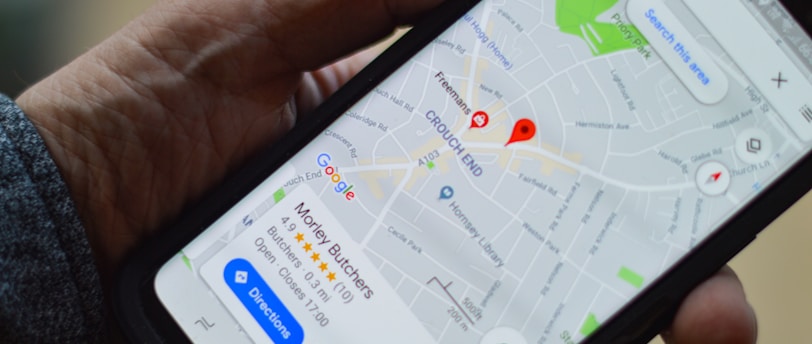

Writing a strong business description isn’t about sounding fancy — it’s about helping customers quickly understand who you are, what you offer, and why they should choose you.
A good description works across every platform: your website, social media, Google Business Profile, online directories, and even printed materials. This guide shows you how to write clear, effective descriptions in multiple formats, so you always have the right version ready to plug in anywhere.
The key is to focus on clarity, benefits, and your unique value. Customers want to know what you do, who you serve, and what makes you different. When you write with those points in mind, your message becomes stronger and more consistent across all platforms.
Start by answering three simple questions:
What does your business do?
Who do you help?
Why do customers choose you?
Once you have those answers, you can shape them into different formats depending on where you’re posting. Below are the core versions every vendor should create.
1. Your Short Description (25–40 words)
This is perfect for directories, social bios, and quick introductions.
Focus on: what you do, your specialty, and your value.
Example structure:
“We provide [service/product] for [audience], offering [benefit/value] with a focus on [quality/speed/expertise].”
2. Your Standard Description (75–120 words)
Use this for your website, Google Business Profile, or vendor directory.
Include:
What you offer
What makes you different
Your experience or approach
A customer‑focused benefit
This version should feel friendly, confident, and easy to read.
3. Your Full Description (150–250 words)
This is ideal for spotlight features, “About Us” pages, and longer listings.
Tell a simple story:
How you started
What you specialize in
What customers love about you
Your mission or philosophy
What people can expect when they work with you
This version builds trust and personality.
4. Your Bullet List (Fast‑Scan Format)
Use bullets when customers need quick clarity.
Include bullets for:
Core services
Specialties
Service areas
Reasons customers choose you
Bullets make your message easy to skim — perfect for social posts, ads, and landing pages.
Callout:
Strong descriptions help customers understand your value instantly — and consistency across platforms builds trust.
5. Your Tagline (One Sentence)
A tagline is a short, memorable line that captures your identity.
Examples:
“Quality service you can count on.”
“Local experts. Honest work.”
Use this on social media, business cards, and ads.
6. Your CTA (Call to Action)
Every description should end with a simple next step.
Examples:
“Call today for a free quote.”
“Message us to schedule your service.”
“Visit our website to learn more.”
A clear CTA increases engagement and conversions.
Call to Action:
Create each version once, save them in a document, and reuse them across all platforms to keep your brand consistent and professional.
Show and Sell Online
Our mission is to help local businesses advertise online
with custom sponsored content promotion.
For Businesses
Advertise With Us
Contact Us
Privacy Policy · Terms of Use · Advertising Disclosure
© 2026 Show and Sell Online.
All rights reserved.